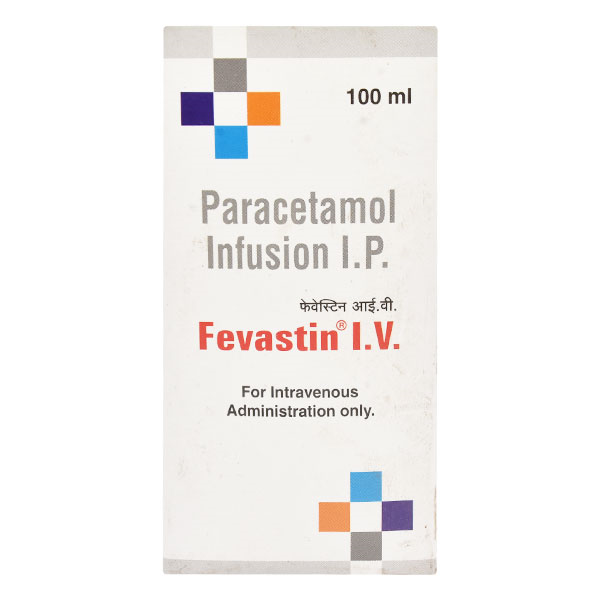
💧 Paracetamol 1000mg Infusion – A Complete Clinical Overview 🌡️💉
Introduction:
Paracetamol 1000mg infusion is an intravenous (IV) formulation of paracetamol (also known as acetaminophen), used for the treatment of acute pain and fever when oral or rectal administration is not feasible or effective. This route offers rapid onset of action and precise control of plasma concentration, making it especially valuable in post-operative care, intensive care units (ICUs), or for patients who are nil per os (NPO).
🧪 Pharmacological Profile
-
Active Ingredient: Paracetamol 1000mg per 100ml infusion
-
Route of Administration: Intravenous
-
Class: Analgesic and Antipyretic
-
Mechanism of Action:
Paracetamol works centrally by inhibiting the cyclooxygenase (COX) enzymes, especially COX-2, in the brain. This leads to decreased synthesis of prostaglandins, which are responsible for pain and fever. It does not have anti-inflammatory properties and does not affect platelet function, making it safer than NSAIDs in certain populations.
📋 Clinical Indications
Paracetamol 1000mg IV infusion is commonly indicated for:
-
Short-term treatment of moderate pain, especially post-surgical pain
-
Fever reduction in critically ill patients
-
Combination therapy with opioids, to reduce opioid requirements (opioid-sparing effect)
-
Situations where oral administration is not possible, such as:
-
Unconscious patients
-
Post-operative recovery
-
Gastrointestinal dysfunction or nausea/vomiting
-
💊 Dosage and Administration
-
Adults and adolescents ≥50kg:
-
1000mg (100ml) administered over 15 minutes, every 4 to 6 hours
-
Maximum daily dose: 4000mg (4 infusions)
-
-
Children and adults <50kg:
-
15mg/kg per dose, not exceeding 60mg/kg/day
-
-
Administration Tips:
-
Infuse slowly over at least 15 minutes to avoid rapid peak plasma levels
-
Ensure proper dilution and compatibility if co-administered with other IV drugs
-
⚠️ Warnings and Precautions
-
Hepatotoxicity risk: Like all forms of paracetamol, overdose or frequent high dosing can lead to acute liver failure
-
Monitor liver function in patients with:
-
Pre-existing liver disease
-
Chronic alcoholism
-
Long-term malnutrition
-
-
Avoid duplication: Ensure patient is not receiving other paracetamol-containing medications concurrently
🚫 Contraindications
-
Severe hepatic impairment
-
Known allergy to paracetamol
-
Severe renal dysfunction (caution required, adjust dose)
-
Neonates and infants (formulation depends on age and weight)
🤒 Side Effects
Paracetamol IV is generally well-tolerated, but may cause:
-
Common:
-
Injection site pain or phlebitis
-
Nausea or mild hypotension during infusion
-
-
Rare but serious:
-
Allergic reactions (rash, anaphylaxis)
-
Liver enzyme elevation or liver injury (especially in overdose)
-
Signs of overdose: Nausea, vomiting, abdominal pain, jaundice – require immediate medical intervention
🧾 Storage and Handling
-
Store at 15–30°C
-
Protect from light
-
Use immediately after opening the vial or pouch
-
Do not freeze
✅ Conclusion
Paracetamol 1000mg infusion is a safe, fast-acting, and effective option for managing moderate pain and fever, especially in hospitalized or critically ill patients. It offers precise dosing and rapid therapeutic effects without the gastrointestinal risks associated with NSAIDs. However, due to its hepatotoxic potential, it must be used with caution and under professional supervision.
Reviews
There are no reviews yet.