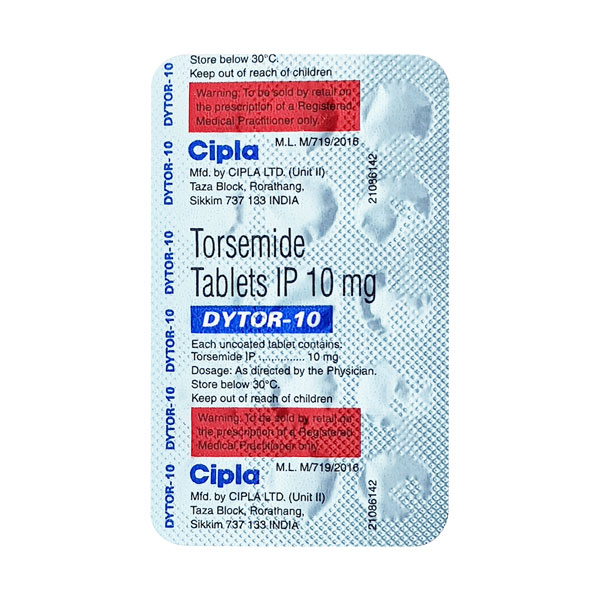
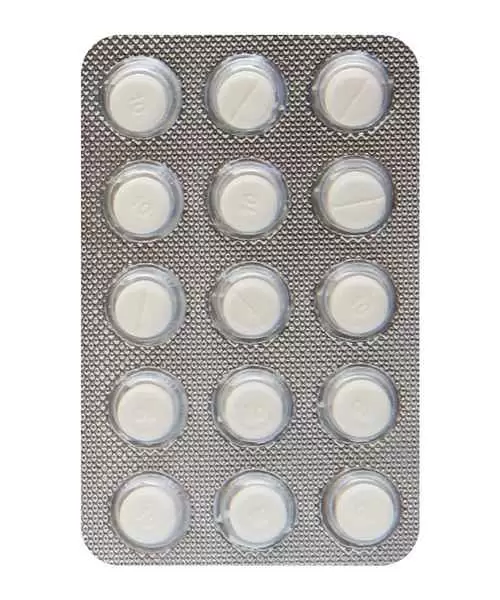
💧💊 Torasemide 10mg Tablet: Potent Loop Diuretic for Fluid Overload & Hypertension Control
Torasemide 10mg (also spelled Torasemide or Toremide) is a loop diuretic medication used to treat fluid retention (edema) associated with congestive heart failure (CHF), kidney disease, and liver cirrhosis, as well as for managing high blood pressure (hypertension). It helps the body get rid of excess salt and water through the urine, thus relieving swelling and reducing the workload on the heart.
Torasemide is favored over other loop diuretics like furosemide for its longer duration of action, more predictable absorption, and lower risk of potassium loss, making it ideal for both short- and long-term management of fluid overload conditions.
🔬 Mechanism of Action
Torasemide works by inhibiting the Na⁺/K⁺/2Cl⁻ co-transporter in the thick ascending limb of the loop of Henle in the kidneys. This action leads to:
-
Increased excretion of sodium, chloride, and water
-
Secondary loss of potassium and calcium (though to a lesser extent than furosemide)
-
Reduction of intravascular volume, thereby lowering blood pressure and relieving edema
By reducing fluid buildup, Torasemide improves breathing, mobility, and heart function in congestive heart failure patients.
📌 Indications and Uses
Torasemide 10mg is prescribed for:
-
Edema due to:
-
Congestive heart failure (CHF)
-
Chronic kidney disease (CKD)
-
Liver cirrhosis
-
-
Hypertension (high blood pressure) – used alone or with other antihypertensives
-
Management of pulmonary congestion or ascites
-
Adjunct in heart failure for symptom control and improved quality of life
It is particularly beneficial in patients who are resistant to furosemide or need once-daily dosing for chronic management.
💊 Dosage and Administration
-
Usual adult dose for edema: 10–20mg once daily, adjusted as needed
-
For hypertension: 5–10mg once daily
-
Best taken in the morning to avoid nocturia (frequent nighttime urination)
-
Can be taken with or without food
Dose adjustments are required in renal or hepatic impairment.
⚠️ Precautions and Warnings
-
Monitor:
-
Electrolytes (especially potassium, sodium)
-
Kidney function (creatinine, BUN)
-
Blood pressure
-
-
Caution in:
-
Patients on digoxin (risk of toxicity if potassium is low)
-
Those with gout, as it may raise uric acid levels
-
Patients with diabetes, due to possible glucose intolerance
-
-
Avoid in severe electrolyte imbalance or anuria
🤒 Side Effects
Common:
-
Increased urination
-
Dizziness or low blood pressure
-
Headache
-
Fatigue
Less common but serious:
-
Electrolyte imbalance (hypokalemia, hyponatremia)
-
Dehydration
-
Gout flare-ups
-
Renal dysfunction
Symptoms like muscle cramps, irregular heartbeat, or confusion require immediate medical attention.
🔄 Drug Interactions
-
ACE inhibitors / ARBs – monitor for hypotension or kidney dysfunction
-
NSAIDs – may reduce diuretic effect
-
Lithium – increased toxicity risk
-
Aminoglycoside antibiotics – higher risk of ototoxicity
🧊 Storage Instructions
-
Store at 15–25°C, away from light and moisture
-
Keep out of reach of children
📝 Conclusion
Torasemide 10mg tablet is a potent, long-acting loop diuretic ideal for the treatment of edema and hypertension, especially in heart failure and renal disorders. Its predictable absorption, once-daily dosing, and lower potassium loss make it a superior option to traditional diuretics for many patients. When used under medical supervision, it can significantly improve comfort, reduce swelling, and enhance cardiovascular health.
It is particularly useful in patients who require effective diuresis without the risk of severe potassium loss, a common problem with loop diuretics alone.
🔬 Mechanism of Action
This combination works by targeting different parts of the nephron in the kidney:
🔹 Torasemide (10mg) – Loop Diuretic
-
Acts on the ascending limb of the loop of Henle
-
Inhibits sodium, chloride, and water reabsorption
-
Results in potent and rapid diuresis
-
Helps lower blood pressure and relieve edema
🔹 Spironolactone (25mg) – Aldosterone Antagonist
-
Works on the distal convoluted tubule
-
Blocks aldosterone, reducing sodium and water retention
-
Preserves potassium, preventing hypokalemia
-
Offers anti-fibrotic and cardioprotective benefits in heart failure patients
Together, they improve urine output, reduce swelling, and support cardiovascular function.
📌 Indications and Uses
This combination is commonly prescribed for:
-
Congestive Heart Failure (CHF)
-
Chronic kidney disease (CKD) with fluid overload
-
Cirrhotic edema and ascites
-
Hypertension (especially resistant types)
-
Nephrotic syndrome
-
Patients requiring long-term diuretic therapy with potassium conservation
It is ideal for patients who need strong diuresis but are at risk of low potassium levels.
💊 Dosage and Administration
-
Typical adult dose: One tablet once daily, usually in the morning
-
Should be taken with or after food to minimize gastric upset
-
Dosage may be adjusted based on:
-
Fluid status
-
Blood pressure
-
Electrolyte levels
-
Kidney function
-
⚠️ Precautions and Warnings
-
Regular monitoring of:
-
Serum electrolytes (especially potassium and sodium)
-
Renal function
-
Blood pressure
-
-
Avoid in:
-
Hyperkalemia
-
Addison’s disease
-
Severe renal insufficiency
-
-
Caution in elderly, diabetics, and liver-impaired patients
🤒 Side Effects
Common:
-
Frequent urination
-
Dizziness or low blood pressure
-
Muscle cramps
-
Fatigue
-
Nausea
Less Common/Serious:
-
Hyperkalemia (especially from Spironolactone)
-
Gynecomastia or breast tenderness
-
Electrolyte imbalance (if not monitored)
-
Kidney dysfunction
Seek medical help if you experience irregular heartbeat, confusion, or muscle weakness.
🔄 Drug Interactions
-
Avoid with:
-
ACE inhibitors, ARBs, or potassium supplements – risk of hyperkalemia
-
NSAIDs – may reduce diuretic effect
-
-
May enhance effects of other antihypertensives
🧊 Storage Instructions
-
Store below 25°C in a dry place
-
Protect from light and moisture
-
Keep out of reach of children
📝 Conclusion
Spironolactone 25mg + Torasemide 10mg is a well-balanced diuretic combination that offers strong fluid removal with potassium conservation. It is particularly suited for heart failure, kidney disease, and cirrhosis-related edema, where fluid overload and electrolyte management are critical. When used under proper medical supervision, it offers effective symptom relief and long-term cardiovascular support.
Note: This information is intended for educational purposes and should not replace professional medical advice. Always consult a healthcare provider for personalized guidance.
Reviews
There are no reviews yet.