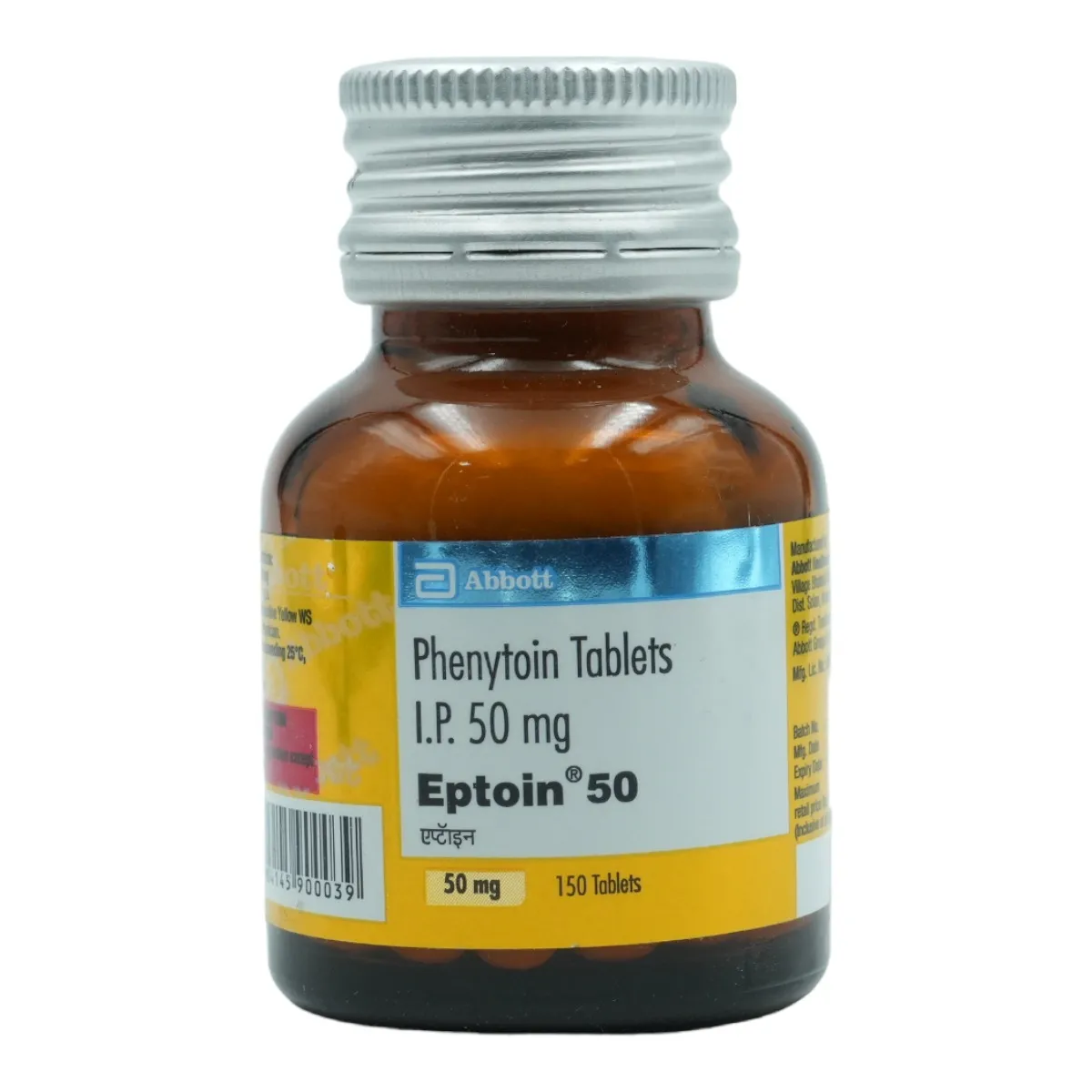
⚡ PHENYTOIN 50 mg TABLET: STEADYING THE ELECTRICAL STORM ⚡
Trusted Therapy for Seizure Control Since the 20th Century
What is Phenytoin 50 mg?
Phenytoin 50 mg is a prescription antiepileptic medication used to prevent and control certain types of seizures. It belongs to the class of drugs known as hydantoins. Phenytoin is especially effective for managing tonic-clonic (grand mal) and focal (partial) seizures. The 50 mg dose provides flexible titration, particularly beneficial in children, the elderly, or those needing gradual dose adjustments.
How It Works
Phenytoin works by stabilizing neuronal membranes and reducing electrical excitability in the brain. It blocks voltage-gated sodium channels, preventing the repetitive firing of action potentials that can lead to seizures. This helps normalize brain activity and decrease seizure frequency.
Indications (Uses)
Phenytoin 50 mg tablets are used for:
-
Tonic-Clonic (Grand Mal) Seizures
-
Focal (Partial) Seizures
-
Prevention of Seizures following head trauma or neurosurgery
-
Adjunctive therapy in status epilepticus (after IV loading)
Dosage and Administration
-
Initial Dose: Often started at 50 mg 2–3 times daily, adjusted based on clinical response and plasma levels.
-
Route: Oral; tablets should be swallowed with water, with or without food.
-
Target Plasma Level: 10–20 µg/mL for optimal seizure control.
Note: Dosing should be individualized, especially in patients with liver disease, children, or those on interacting medications.
Advantages
✅ Effective, time-tested seizure control
✅ Smaller 50 mg dosage ideal for titration and pediatric use
✅ Long half-life allows less frequent dosing
✅ Cost-effective and widely available
Potential Side Effects
Common:
-
Drowsiness or fatigue
-
Nausea, vomiting
-
Unsteady movement or dizziness
Long-Term:
-
Gingival hyperplasia (gum overgrowth)
-
Hirsutism (excess hair growth)
-
Vitamin D deficiency → bone disorders
-
Skin rashes, which can be serious (e.g., Stevens-Johnson Syndrome)
Serious (rare but important):
-
Liver toxicity
-
Blood disorders (e.g., leukopenia, thrombocytopenia)
-
Neuropathy with prolonged use
Warnings and Precautions
⚠️ Narrow therapeutic range – small dosage changes can cause toxicity or loss of seizure control.
⚠️ Must not be stopped suddenly – risk of seizure rebound.
⚠️ Use caution in liver disease, elderly, and pregnant women.
⚠️ May cause fetal harm – Pregnancy Category D.
Drug Interactions
Phenytoin induces liver enzymes and affects many medications:
-
↓ Effectiveness of oral contraceptives
-
Alters blood levels of warfarin, corticosteroids, cyclosporine, and more
-
Alcohol: Chronic use reduces, acute intake increases phenytoin levels
Monitoring Requirements
🩸 Plasma drug levels
🦷 Oral hygiene checks for gingival changes
🦴 Bone health assessments in long-term use
🧪 Liver function and blood counts
Conclusion
Phenytoin 50 mg tablets offer precise seizure control with flexible dosing—perfect for fine-tuning therapy in sensitive patients. While highly effective, Phenytoin requires careful monitoring and patient education to ensure safety. With proper management, it remains a reliable mainstay in epilepsy treatment.
Note: This information is intended for educational purposes and should not replace professional medical advice. Always consult your healthcare provider for personalized recommendations.

Reviews
There are no reviews yet.