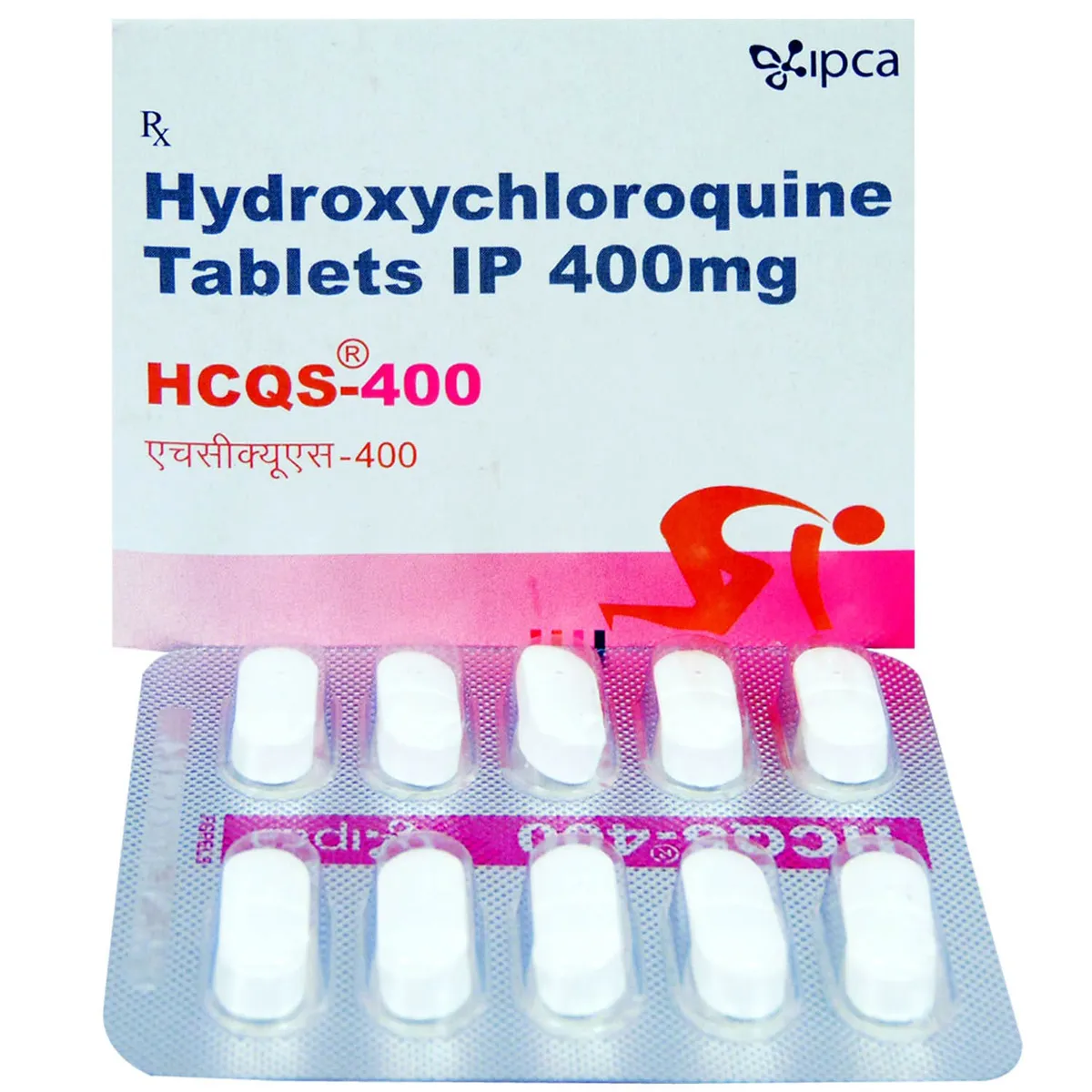
Hydroxychloroquine 400mg Tablet
Trusted Therapy for Autoimmune Conditions and Malaria
💊 What Is Hydroxychloroquine 400mg?
Hydroxychloroquine 400mg is a prescription oral medication primarily used to treat autoimmune diseases like rheumatoid arthritis (RA) and systemic lupus erythematosus (SLE). It is also used to prevent and treat malaria caused by Plasmodium species. As a Disease-Modifying Anti-Rheumatic Drug (DMARD) and antimalarial, it is valued for both inflammation control and parasite inhibition.
🔬 Active Ingredient and How It Works
-
Hydroxychloroquine sulfate – 400mg
-
Drug Class: Antimalarial, Immunomodulator
-
Mechanism of Action:
-
In autoimmune diseases: Suppresses abnormal immune activity and reduces inflammation.
-
In malaria: Accumulates in parasite-infected red blood cells, increasing pH and interfering with parasite survival.
-
-
🧾 How to Use
-
Dosage: Prescribed by a healthcare provider.
-
For RA/Lupus: Usually once daily.
-
For malaria prevention or treatment: Specific dosage and duration depend on region and patient profile.
-
-
Administration:
-
Take with food or milk to reduce stomach upset.
-
Swallow whole; do not crush or chew.
-
-
Duration: Often used long-term for chronic autoimmune conditions.
⛔ Do not self-medicate or adjust dose without medical advice.
⚠️ Common Side Effects
-
Nausea or stomach pain
-
Loss of appetite
-
Headache
-
Diarrhea
-
Skin rash
-
Dizziness or lightheadedness
-
Blurred vision or difficulty focusing
These effects are usually temporary and mild.
🚨 Serious Side Effects (Seek Immediate Medical Attention)
-
Retinal damage or vision changes (risk increases with long-term use)
-
Heart rhythm abnormalities (QT prolongation)
-
Muscle weakness or numbness
-
Severe skin reactions (peeling, blistering)
-
Mood changes (anxiety, depression, hallucinations)
-
Hearing issues or ringing in ears
-
Liver toxicity (dark urine, yellowing of skin or eyes)
Long-term users must watch for subtle signs of eye or heart toxicity.
🩺 Monitoring & Follow-Up
Patients on hydroxychloroquine 400mg need regular medical follow-up:
-
Eye exams every 6–12 months (fundoscopy and visual field testing)
-
ECG monitoring for patients with heart disease or on interacting drugs
-
Liver and kidney function tests periodically
-
Blood counts and muscle strength evaluations
Routine checkups ensure safe and effective use over time.
⚠️ Warnings & Precautions
-
Avoid in patients with pre-existing eye disease or retinal disorders
-
Caution in heart disease, especially with drugs that prolong the QT interval
-
Not recommended for children under 6 years or those weighing under 35 kg
-
Use in pregnancy only if clearly needed
-
May interact with:
-
Digoxin
-
Antidiabetics
-
Anti-seizure drugs
-
Other antimalarials
-
-
Avoid alcohol to protect liver function
📝 Summary
Hydroxychloroquine 400mg is a versatile and widely used medication that helps manage autoimmune diseases and prevent or treat malaria. Its anti-inflammatory and antimalarial actions make it highly effective when used under supervision. However, it must be monitored closely to prevent serious side effects such as eye damage and heart issues. With regular follow-up and adherence to medical advice, it is a safe and effective long-term therapy for many chronic conditions.
Note: This information is intended for educational purposes and should not replace professional medical advice. Always consult a healthcare provider for personalized guidance.
Reviews
There are no reviews yet.