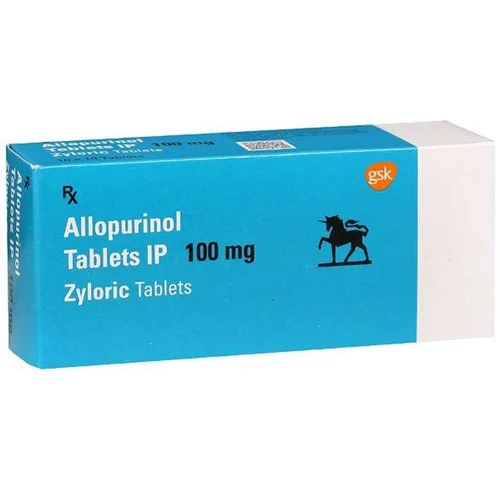
🩺 Allopurinol 100mg Tablet: A Guide to Safe Use and Effectiveness
Overview: What is Allopurinol 100mg Tablet?
Allopurinol 100mg is a prescription medication primarily used to treat gout and hyperuricemia (excess uric acid in the blood), which may lead to kidney stones or joint damage. It belongs to a class of drugs called xanthine oxidase inhibitors, which reduce the production of uric acid in the body.
Ingredients
-
Active Ingredient: Allopurinol (100 mg)
-
Inactive Ingredients: May include lactose monohydrate, corn starch, povidone, sodium starch glycolate, and magnesium stearate (these can vary slightly by manufacturer)
How to Use
-
Dosage: Typically, 100–300 mg per day depending on uric acid levels and medical condition.
-
Administration: Take orally with water, after meals to reduce gastrointestinal upset.
-
Important Tips:
-
Maintain adequate hydration.
-
Take the medication at the same time daily.
-
Do not stop abruptly unless advised by your doctor.
-
Common Side Effects
Most side effects are mild and tend to resolve with continued use:
-
Skin rash (usually mild)
-
Nausea or vomiting
-
Diarrhea
-
Drowsiness
-
Headache
Serious Side Effects (Seek immediate medical help if experienced)
-
Severe skin reactions (e.g., Stevens-Johnson Syndrome, Toxic Epidermal Necrolysis)
-
Hepatitis or liver inflammation
-
Allergic reactions: Swelling of face/lips/throat, difficulty breathing
-
Bone marrow suppression: Unusual bleeding, bruising, or infection
-
Kidney issues: Changes in urine output or color
Monitoring & Follow-Up
Regular monitoring is essential to ensure safety and effectiveness:
-
Blood tests: Serum uric acid levels, liver function tests, and kidney function (creatinine, BUN)
-
Complete blood count (CBC): To check for any bone marrow suppression
-
Follow-up: Frequent visits during the initial months of therapy
Warnings & Precautions
-
Pregnancy & Breastfeeding: Use only if clearly needed and prescribed.
-
Allergy Alert: Do not use if allergic to allopurinol or similar compounds.
-
Kidney/Liver Disease: Dosage may need adjustment.
-
Drug Interactions: Use caution with azathioprine, mercaptopurine, diuretics, and antibiotics (e.g., ampicillin).
-
Hydration: Drink plenty of fluids to prevent kidney stones.
-
Alcohol: Avoid alcohol, as it can worsen uric acid levels.
Summary
Allopurinol 100mg is a cornerstone in the management of gout and uric acid disorders. When used correctly, it reduces the frequency of painful gout attacks and helps protect kidney function. However, it requires careful dosing, patient education, and routine monitoring to minimize the risk of rare but serious side effects. Patients should report any rashes or signs of allergic reaction promptly and maintain regular medical check-ups to ensure optimal outcomes.
Note: This information is intended for educational purposes and should not replace professional medical advice. Always consult a healthcare provider for personalized guidance.
Reviews
There are no reviews yet.